Honeycomb was built for the AI era. Learn how to futureproof your software for what comes next.
Discover why Honeycomb is the better choice for your engineers, your customers, and your bottom line.
Start your journey with the definitive guide to observability. Download our complimentary ebook.
Bring observability to every software engineer.
Learn about our company, mission and values.
Come for the impact, stay for the culture.
See Honeycomb's latest press releases, media, and more
Learn more about becoming a Honeycomb partner.
Already a Honeycomb customer?
Christine Yen
As long as humans have written software, we’ve needed to understand why our expectations (the logic we thought we wrote) don’t match reality (the logic being executed). To that end, we developed techniques to help measure reality—logging text strings, or capturing aggregated metrics—and persevered, seeking out newer and fancier logging or monitoring solutions over the intervening decades.
Liz Fong-Jones
You know that old adage about not seeing the forest for the trees? In our Authors’ Cut series, we’ve been looking at the trees that make up the observability forest—among them, CI/CD pipelines, Service Level Objectives, and the Core Analysis Loop. Today, I’d like to step back and take a look at how observability fits into the broader technical and cultural shifts in technology: cloud-native, DevOps, and SRE.
George Miranda
How do you solve the people and culture problems that are necessary in making the shift to adopt observability practices? And once you instill those changes, how do measure the benefits?
Phillip Carter
Learn how Jimdo, Upgrade, and Campspot benefited from OpenTelemetry, whether in improved performance, or by avoiding vendor lock-in.
Nick Travaglini
Part of understanding a complex, distributed software system as a socio-technical system means taking seriously that the signals the stewards receive aren’t just chatter.
Martin Thwaites
Let’s dig into what we mean by an Availability Check and how that maps to observability, tracing, and supporting production systems.
Guest Blogger
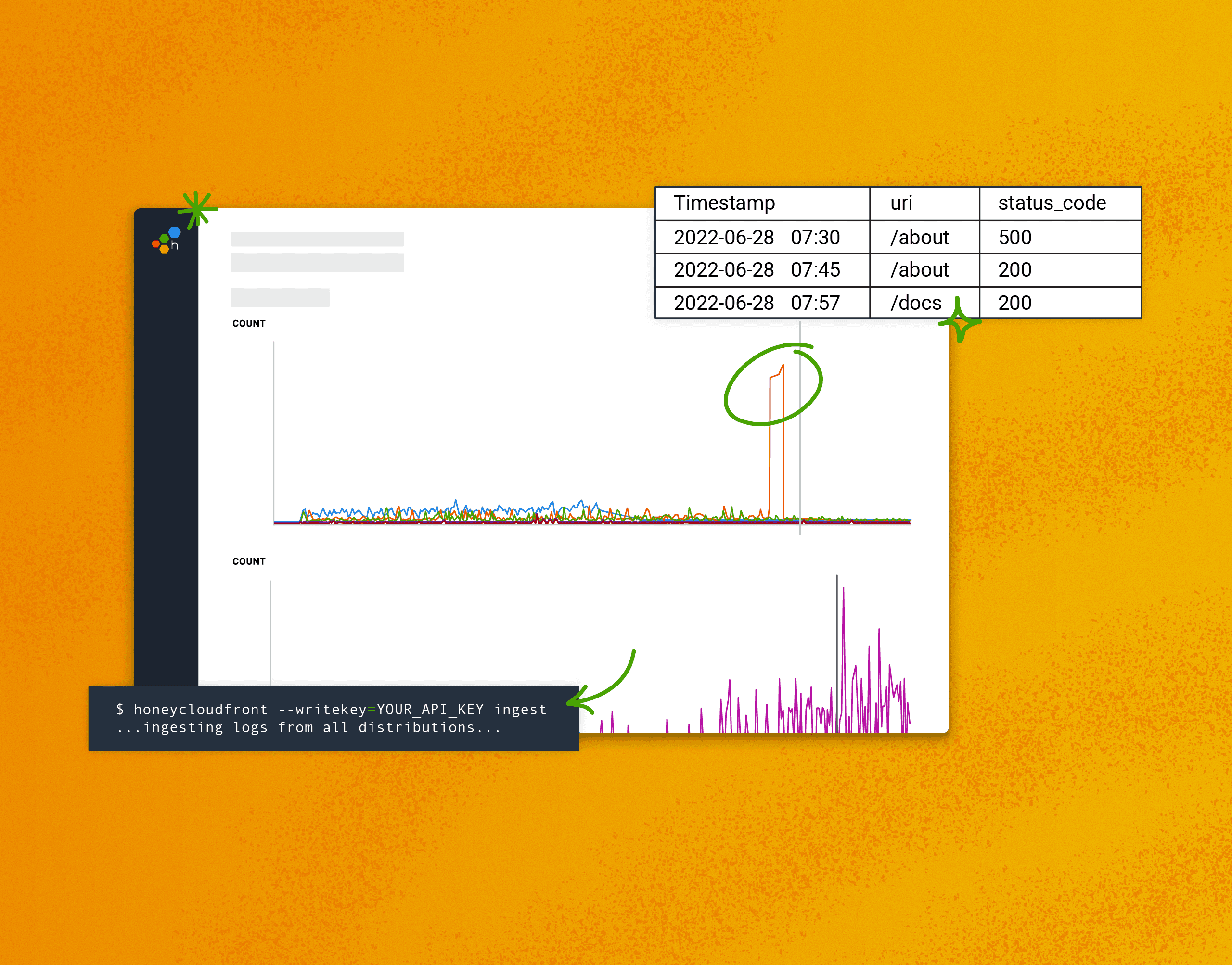
You use NGINX as a proxy for your application, and you want to leverage Honeycomb’s amazing features to help make sense of the traffic data. Have no fear: Honeycomb has a solution just for you.
Just like any aspect of development, poor integration, invisible bottlenecks, and bugs can plague your CI/CD pipelines. And debugging them? Well, it’s complicated. To see what I mean, just fire up your favorite search engine to find content on “debugging CI/CD pipelines.” Look at all the different tools, studios, and blogs full of advice—it’s soul crushing.
Sasha Sharma
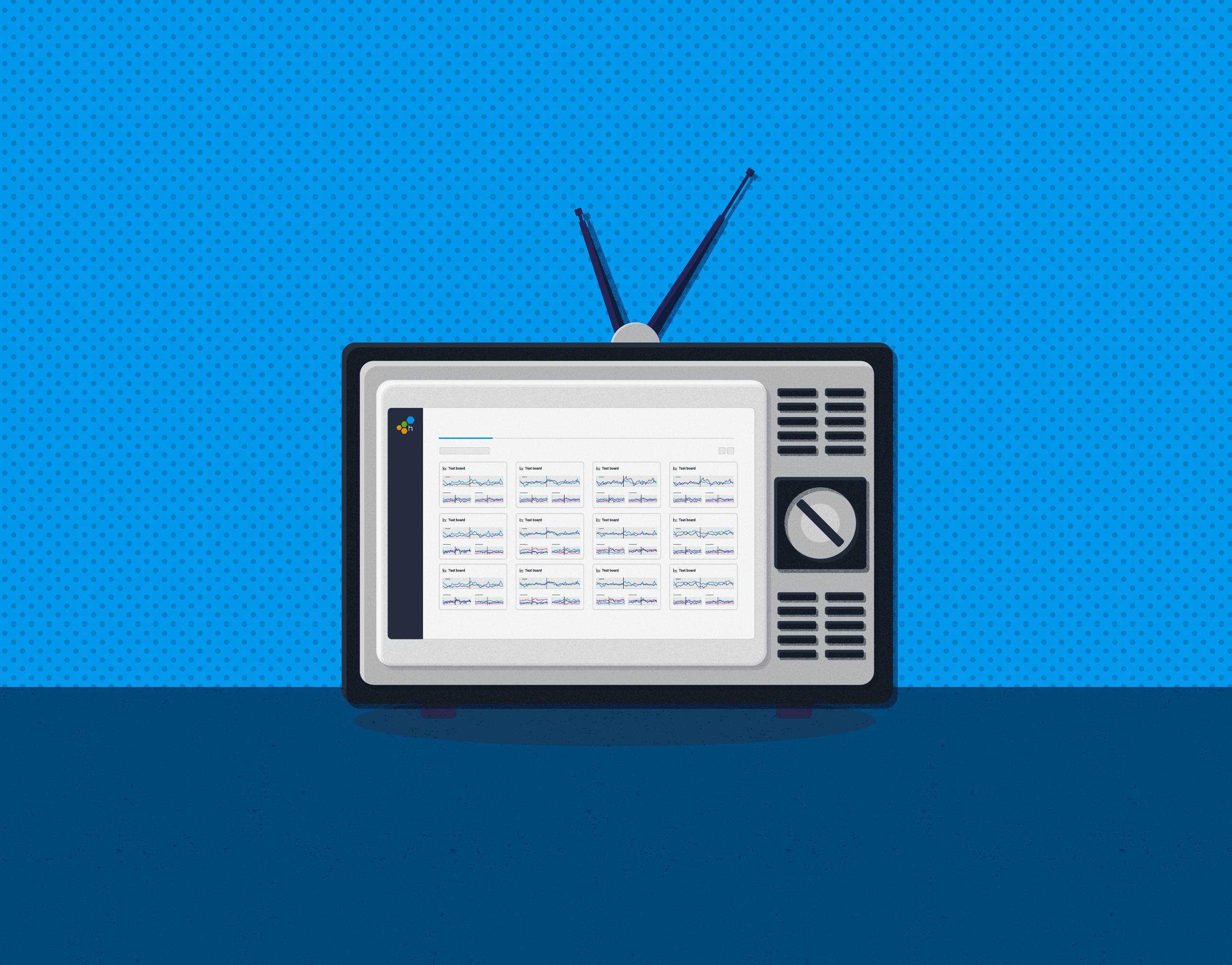
Someone once described dashboards to me as “expensive TV for software engineers.” At first, I stood there quietly shocked—dashboards had informed many root cause analyses (RCAs) in my life as a developer. Dashboards can be expensive TV—and sometimes even harmful false cocoons of safety (“Uh, p90 looks okay 🤷♀️!”) —but, approached instead with an analytical lens, they should be a pulse check for overall system health and a jumping-off point for investigations.
Observability is about understanding systems, which means more than just production. Moving from logs to tracing and showing causality can be done locally, as well. We can give developers the same superpowers that SREs have: observability-driven development.
Charity Majors
People use “observability team” as a catchall basket for all kinds of things these days—from cutting-edge tech to truly heinous hacks. Eh, it is what it is. The industry may be in a roiling state of massive flux, but I’m cautiously excited about the changes beginning to take shape and emerge from the muck. And I definitely think it’s worth spending some time talking about what observability teams can and should be.
One of the reasons that OpenTelemetry is great at doing this is that a lot of the common attributes you may find on a span are given standard names, so the systems receiving the data to visualize them don’t need to know the specifics of your system. This is really a superpower of OpenTelemetry, as it gives a level playing field for consumers of that information—meaning that you, as a developer, can forget about vendor-specific things.
Get it delivered straight to your inbox.
By subscribing to our newsletter, you agree to Honeycomb’s Terms of Service and Privacy Notice.
David Marchante
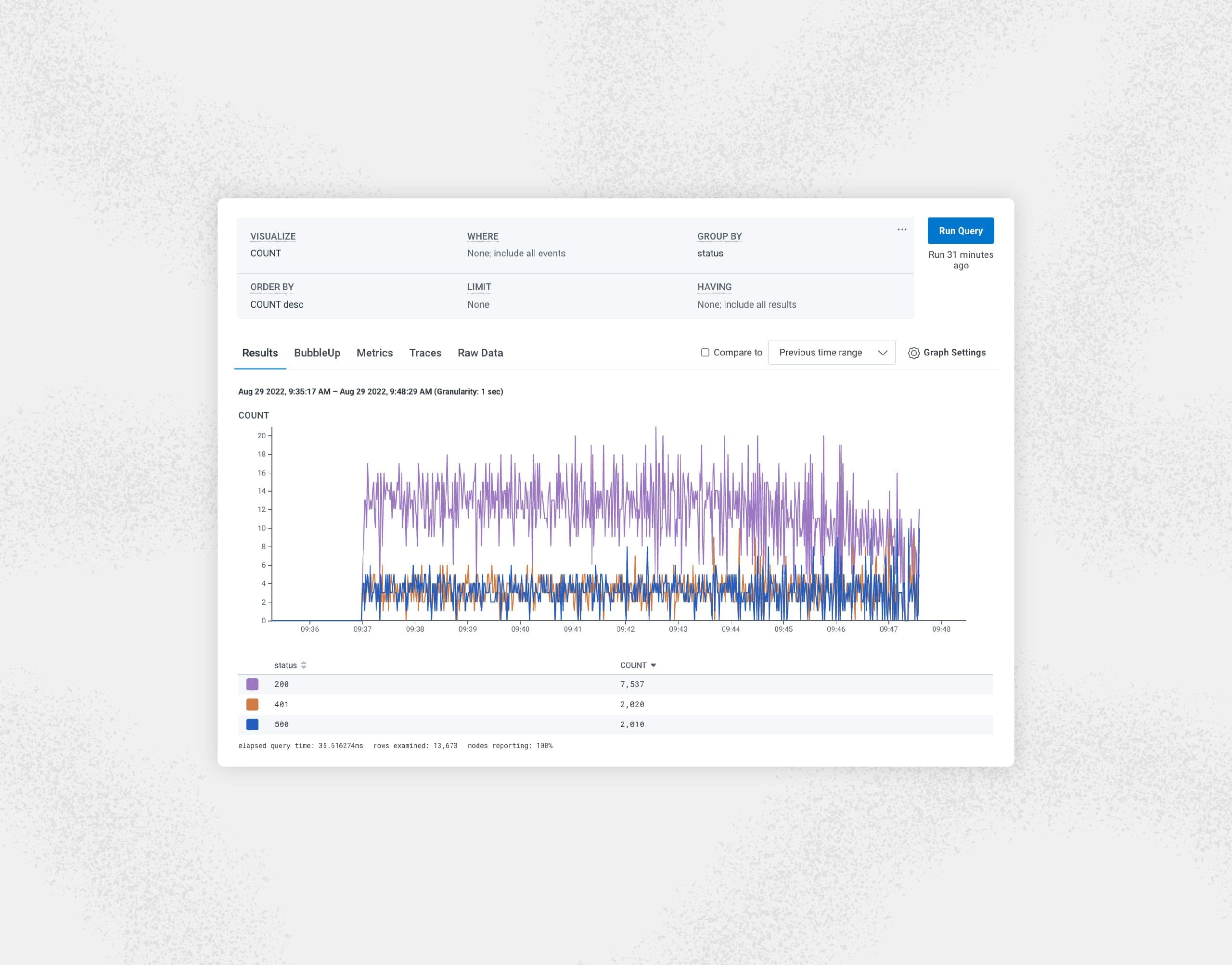
By giving an overview into datasets, traces, and spans, you’ll get a peek behind the curtain into how Honeycomb facilitates observability in the hopes of arriving at a place where identifying the source of errors, finding performance problems, or understanding how data flows through a large system is made easier.
Rynn Mancuso
Here’s what some of our customers had to say about Honeycomb features that they found value in right away.
Two of our folks went to Monitorama 2022, and they gleaned a few pearls of wisdom they’d love to share with you, including an unexpected, but surprisingly insightful talk on carbon impact reporting. Read more now.
In this webinar based on our O’Reilly book, we go over the difference between observability and monitoring – and when to use which.
Jessica Kerr (Jessitron)
“It’s expensive. It’s difficult. Our APM works just fine.” The three myths of observability can lead to being on call with under-instrumented tools. That’s exactly what happened to Paige Bernier, retired SRE. Let’s learn about her experience and see how we can avoid being in the same situation.
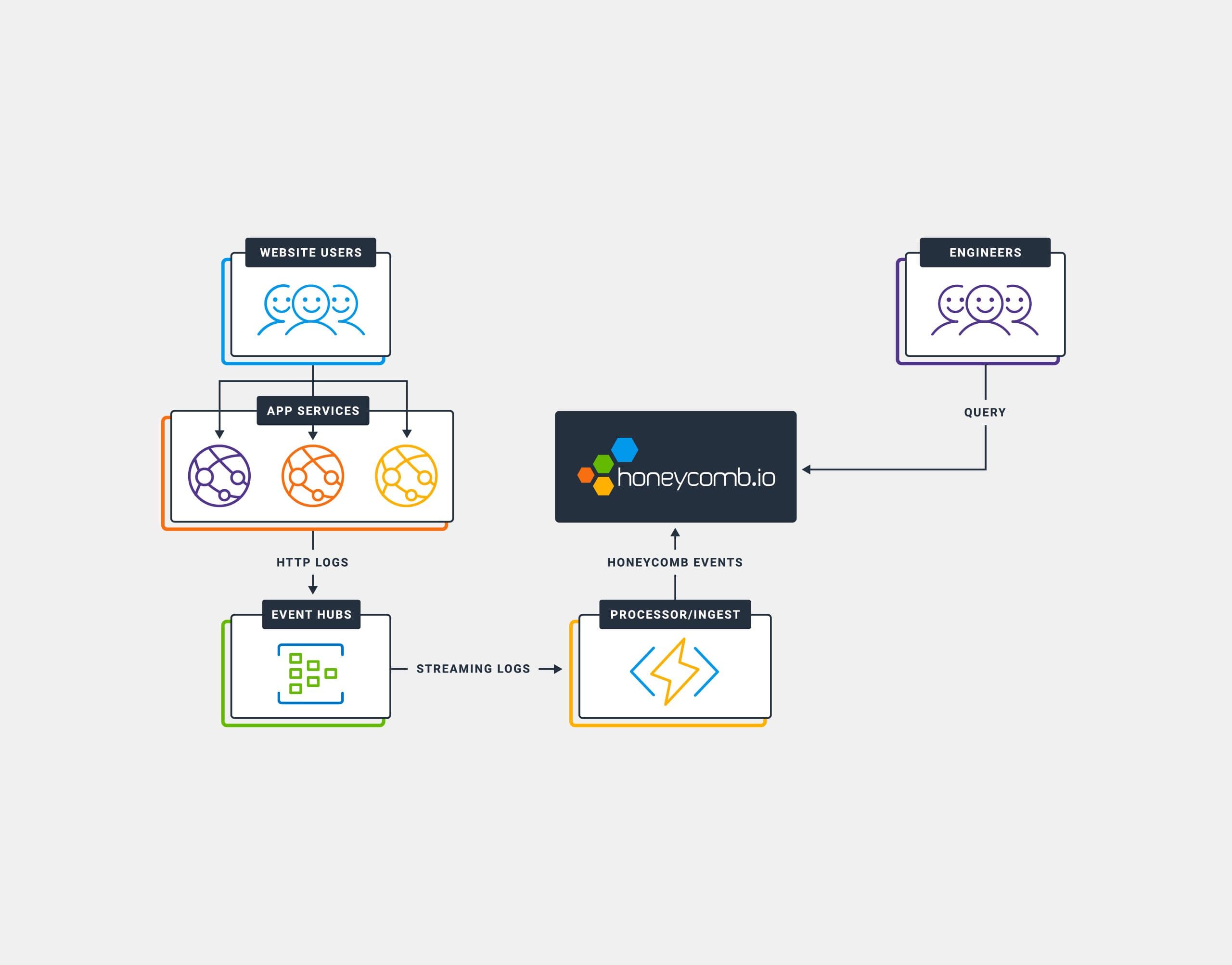
Debugging application performance in Azure AppService is something that’s quite difficult using Azure’s built-in services (like Application Insights). Among some of the issues are visualizations, and the time it takes to be able to query data. In this post, we’ll walk through the steps to ingest HTTP Access Logs from Azure AppService into Honeycomb to provide for near real-time analysis Access Logs.
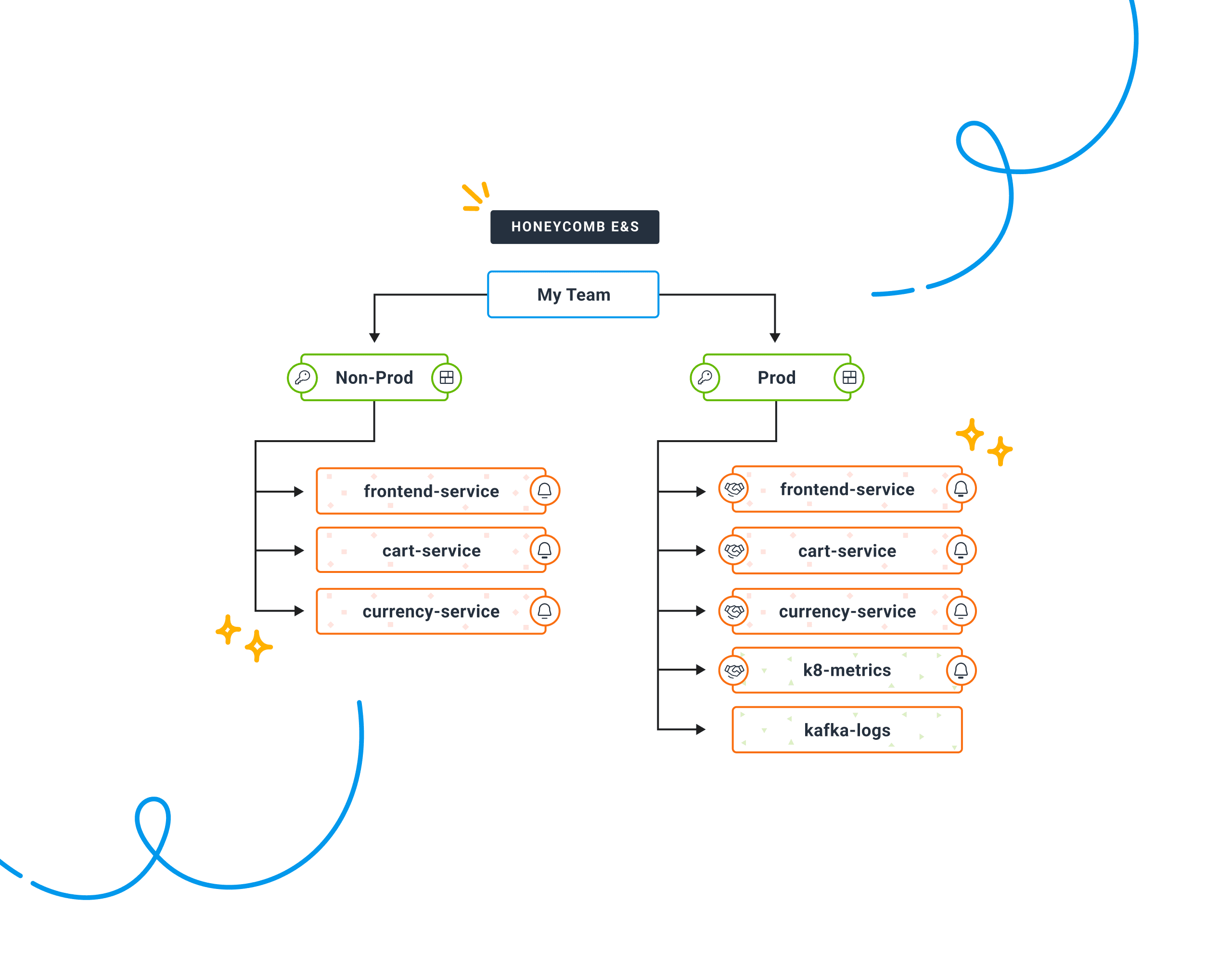
The software industry is moving toward teams that own the services they build. This concept encloses principles and possibilities from movements toward microservices, DevOps, Agile, and Project to Product. In these paradigms, a team of people delivers software that provides valued capabilities. These capabilities help customers get their work done, support business operations, or enable other software to do these.
Our Author’s Cut series takes a deep dive into our O’Reilly Observability Engineering book. Join us for this session on structured events.