
Explore Author's Blog

Approaching the Parhelion
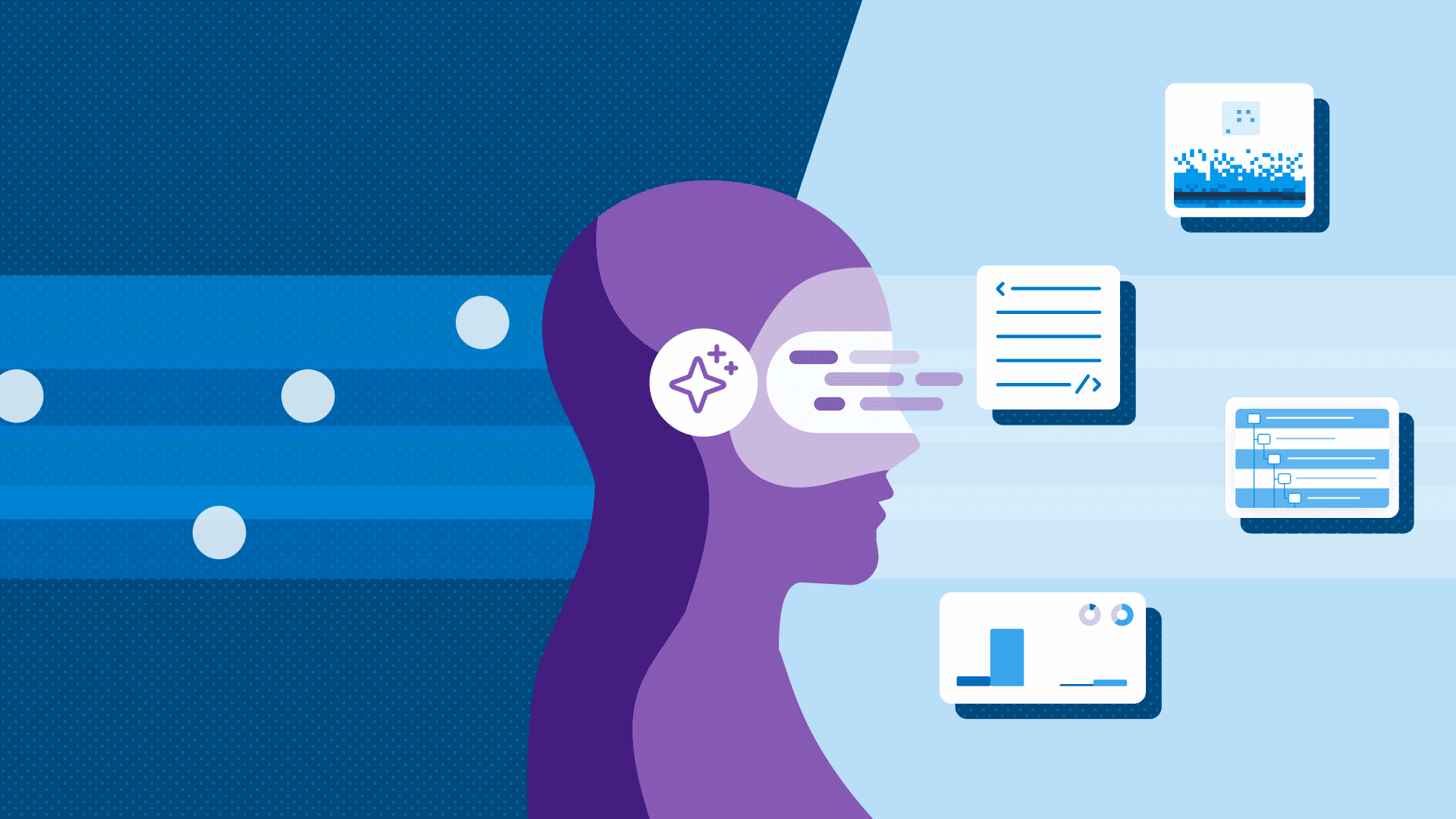
A parhelion is created when light refracts through hexagonal ice crystals in the atmosphere, forming bright spots that appear on the horizon, connected by a faint halo. You don’t have to squint very hard to appreciate how relevant this is to our current AI moment.
Your Questions About AI Agents and Production Feedback Answered
We got a ton of great questions from attendees, and I didn't have time to answer all of them during the session. So, here are my answers to the ones I found most interesting, and most representative of what people are actually grappling with right now.
Accelerate Your OpenTelemetry Migrations With Honeycomb's Agent Skills
With the release of our Agent Skills, we’ve used our domain knowledge to make your agents even more powerful. Instead of having to copy and paste blocks of markdown into Claude Code, we've distilled everything we know about using Honeycomb into a set of core skills, packaged it up, and are making it open source today!
Fast and Close to Right: How Accurate Should AI Agents Be?
In this blog, I’d like to discuss why hallucinations aren’t the biggest problem in observability agents, the tradeoffs around data fidelity and task accuracy inherent in agent and tool design, and how to evaluate agentic capabilities as they apply to observability.
Honeycomb MCP Is Now In GA With Support for BubbleUp, Heatmaps, and Histograms
If you’ve been following my public journey with LLMs this year, it probably won’t surprise you to learn that this blog post is an announcement about the general availability of Honeycomb’s hosted MCP server. I want to share a few updates about what’s new in the GA release, discuss some interesting learnings from building it, and share examples of how we’re using MCP internally.

MCP, Easy as 1-2-3?
Seems like you can’t throw a rock without hitting an announcement about a Model Context Protocol server release from your favorite application or developer tool. While I could just write a couple hundred words about the Honeycomb MCP server, I’d rather walk you through the experience of building it, some of the challenges and successes we’ve seen while building and using it, and talk through what’s next. It should be pretty exciting, so strap in!
How Does ‘Vibe Coding’ Work With Observability?
You can’t throw a rock without hitting an online discussion about ‘vibe coding,’ so I figured I’d add some signal to the noise and discuss how I’ve been using AI-driven coding tools with observability platforms like Honeycomb over the past six months. This isn’t an exhaustive guide, and not everything I say is going to be useful to everyone—but hopefully it will clear up some common misconceptions and help folks out.

OpenTelemetry Is Not “Three Pillars”
OpenTelemetry is a big, big project. It’s so big, in fact, that it can be hard to know what part you’re talking about when you’re talking about it! One particular critique I’ve seen going around recently, though, is about how OpenTelemetry is just ‘three pillars’ all over again. Reader, this could not be further from the truth, and I want to spend some time on why.

Is OpenTelemetry Open for Business? September 2024 Update
One of the things about OpenTelemetry that’s easy to miss if you’re not spending the whole day in the ins and outs of the project is just how much stuff it can do—but that’s what I’m here for! Today, I want to go through the project and give you a guide to the various parts of OpenTelemetry, how mature they are, and what you can expect over the next six months or so. I ranked these elements by relative maturity across the entire project. As such, the stuff marked ‘very ready’ is the most stable, while the stuff marked ‘an adventure’ is less stable. Let’s dive in!
Real User Monitoring With a Splash of OpenTelemetry
You’re probably familiar with the concept of real user monitoring (RUM) and how it’s used to monitor websites or mobile applications. If not, here’s the short version: RUM requires telemetry data, which is generated by an SDK that you import into your web or mobile application. These SDKs then hook into the JS runtime, the browser itself, or various system APIs in order to measure performance. These SDKs are usually pretty optimized for both speed and size—you don’t want the dependency that tells you how fast or slow your application is to impact your application speed, after all.
Data Sovereignty and OpenTelemetry
In today’s economic and regulatory environment, data sovereignty is increasingly top of mind for observability teams. The rules and regulations surrounding telemetry data can often be challenging to interpret, leaving many teams in the dark about what kind of data they can capture, how long it can be stored, and where it has to reside.
AI’s Impact on Cloud-Native at KubeCon 2023
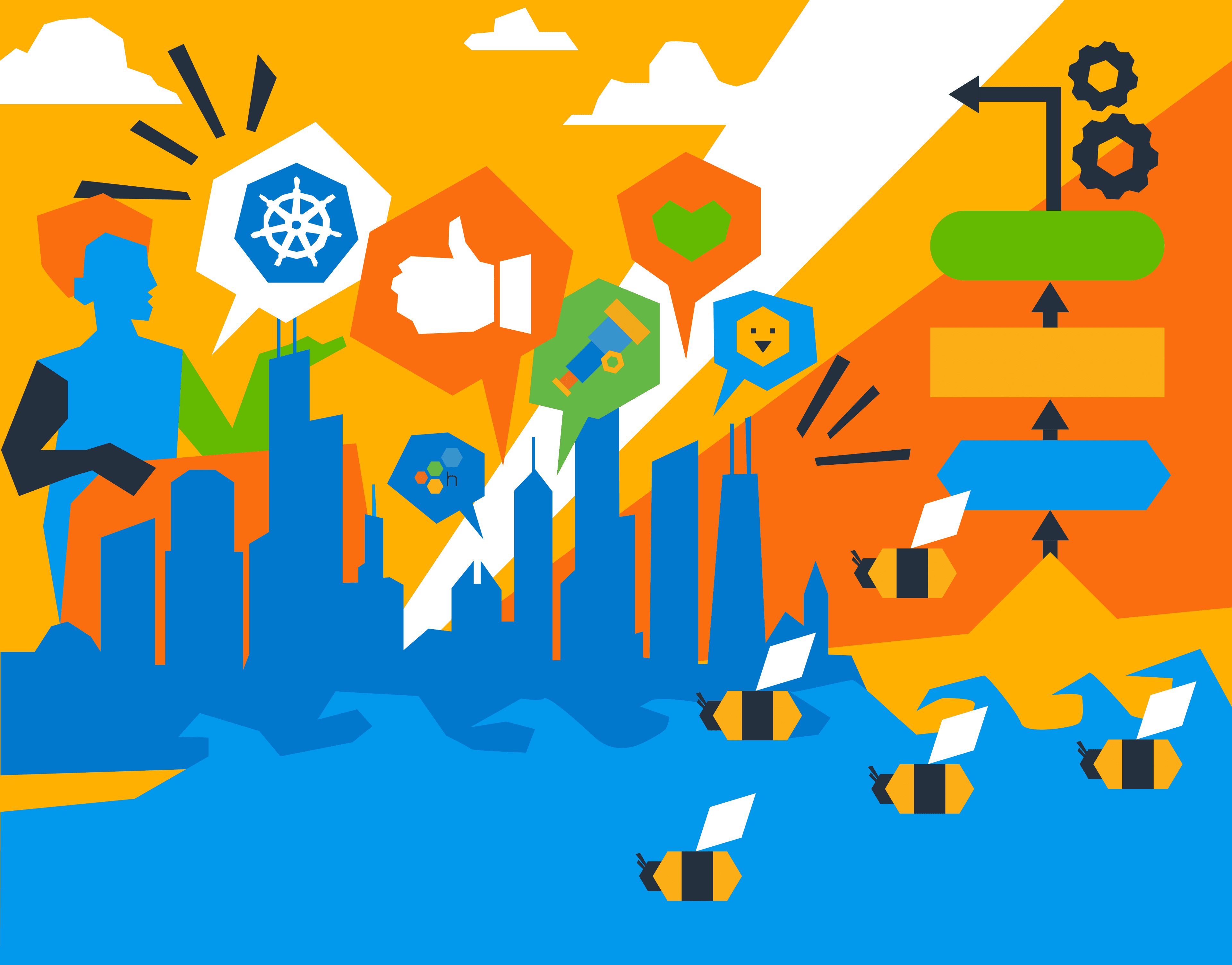
Cloud-native developers and practitioners gathered from around the world to learn, collaborate, and network at KubeCon/CloudNativeCon North America 2023 between November 6th and 9th at McCormick Place in Chicago, IL—myself included. This wasn’t my first time attending—I’ve been coming to KubeCon since 2016—but it was easily one of the most exciting experiences I’ve had as part of the cloud-native community.